
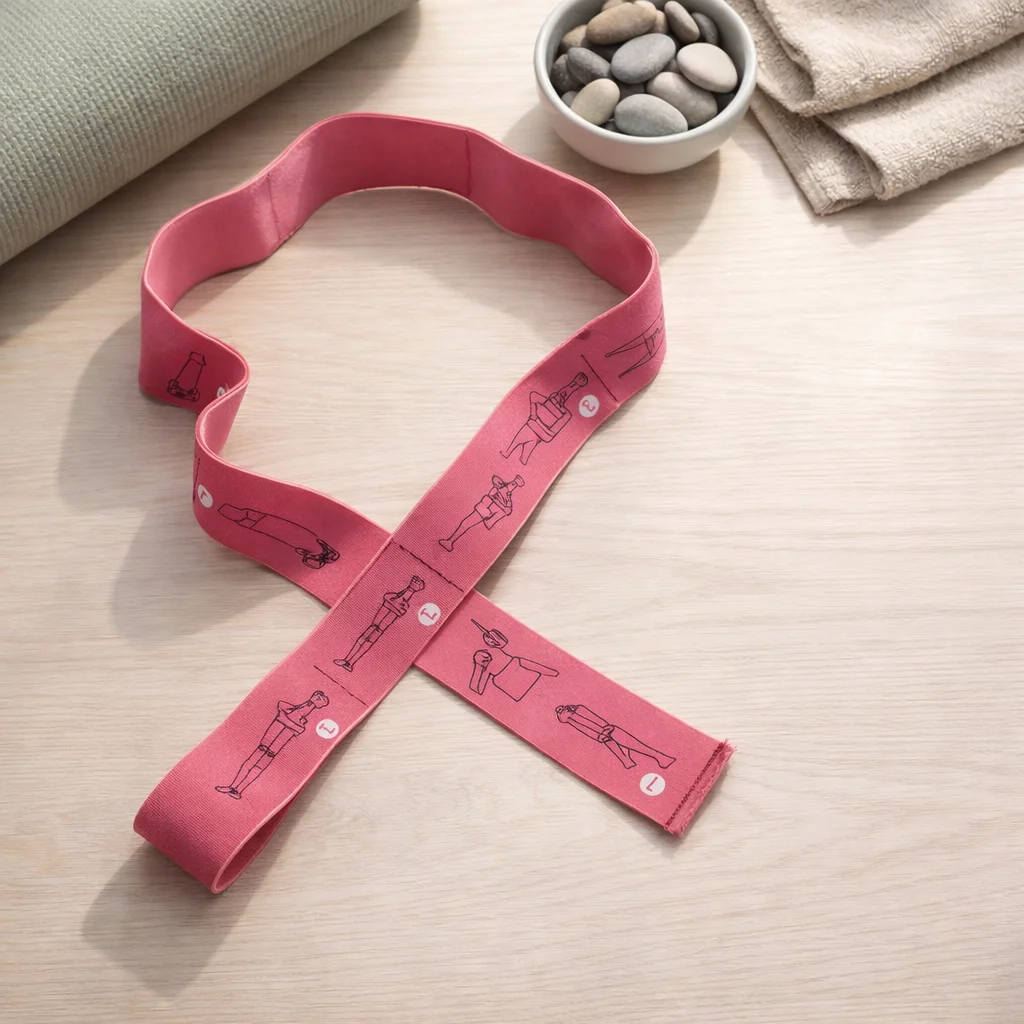
If you've been searching for the best fitness resistance bands to level up your workouts, you already know the market is flooded with options. Some feel like they'll snap on the first use. Others dig into your skin, leaving red marks that linger long after your cool-down. And a surprising number simply don't deliver the kind of challenge your body actually needs to grow stronger, more flexible, and more capable.
This guide cuts through the noise. Whether you're a dedicated yogi, a Pilates devotee, a dancer working on flexibility, or simply someone who wants a smarter, more effective home workout, we're breaking down exactly what separates a band worth buying from one that collects dust under your bed.
Why Resistance Bands Belong in Every Fitness Routine
There's a reason resistance bands have quietly become one of the most recommended tools by personal trainers, physical therapists, and elite athletes alike. They don't look like much. But what they do to your body is anything but ordinary.
Unlike free weights, which rely on gravity to create tension, resistance bands challenge your muscles through their entire range of motion. That means the work doesn't stop at the top of a movement. Your muscles stay engaged, stay honest, and get stronger in ways that traditional equipment simply can't replicate.
And then there's the practical reality. A full set of dumbbells takes up floor space, costs hundreds of dollars, and isn't exactly travel-friendly. A quality set of fitness resistance bands fits in a small pouch, costs a fraction of the price, and goes wherever you go. Hotel room workout? Backyard stretch session? Pre-game warm-up in a parking lot? Bands make it happen.
"Resistance bands are one of the most underrated tools in fitness. They build real strength, improve flexibility, and reduce injury risk, all without the joint stress that heavy weights can cause."
The best part? They meet you exactly where you are. A beginner finding their footing and a seasoned athlete maintaining mobility during recovery can both get genuine value from the same set of bands. That kind of versatility is rare in fitness equipment.
What to Look for in the Best Fitness Resistance Bands
Not all resistance bands are created equal, and the differences go well beyond price. Here's what actually matters when you're choosing a band that will serve you well for months and years, not just weeks.
Comfort Against Your Skin
This is the factor most buyers overlook until it's too late. A band that rolls, pinches, or irritates your skin mid-workout isn't just annoying; it actively disrupts your form and shortens your session. The best fitness resistance bands feel smooth and secure against your body, whether you're looping them around your ankles, thighs, or wrists. You should forget they're there, which means they're doing their job.
Fabric-based bands tend to win here. They stay put, don't roll up into uncomfortable ridges, and feel far more pleasant against bare skin than their thin rubber counterparts.
Resistance That Challenges Without Punishing
A band should make your muscles work. But there's a meaningful difference between productive resistance and resistance so intense it throws off your alignment or forces you to compensate with the wrong muscle groups. Look for bands that offer a genuine challenge at full extension while still allowing you to complete movements with proper form.
For yoga, stretching, and Pilates, you generally want a band that supports deeper range of motion while adding just enough tension to activate stabilizing muscles. For strength-focused training, you'll want something with more pull. The ideal setup is a set that gives you options.
Durability That Lasts Beyond the Honeymoon Phase
Here's an honest truth: many cheap resistance bands feel fine for the first week. Then they start to fray, lose elasticity, or snap at the worst possible moment. Reinforced stitching and quality construction aren't glamorous selling points, but they're what stand between a band that's still serving you a year from now and one you're replacing every few months.
When evaluating durability, look for consistent stretch without permanent deformation. A band that stays true to its original tension after hundreds of uses is worth paying a little more for upfront.
Versatility Across Movements
The best resistance bands don't just do one thing. A long loop band, for instance, can function as a stretching aid for hamstring and hip flexibility work, a tension tool for Pilates exercises, a dance training accessory for improving extension, and a strength training band for upper and lower body resistance work. That kind of multi-purpose value is what makes a band genuinely worth the investment.
Portability and Storage
A fitness tool you don't use is worthless, no matter how well-made it is. The best fitness resistance bands are ones you'll actually bring to the gym, pack in your travel bag, or keep on your nightstand for a quick morning stretch. Compact, lightweight, and easy to store are non-negotiable qualities for any band you want to use consistently.
Comparison at a Glance
| Factor | What to Avoid | What to Look For |
|---|---|---|
| Comfort | Thin rubber that rolls and digs in | Soft fabric that stays flat and secure |
| Resistance | One-size-fits-all tension | Options that match your fitness level |
| Durability | Bands that lose elasticity quickly | Reinforced construction that holds up over time |
| Versatility | Single-use bands for one exercise type | Long loop design adaptable to many movements |
| Portability | Bulky or heavy equipment | Lightweight bands that fit in any bag |
Who Benefits Most from Resistance Band Training
One of the most compelling things about resistance bands is how genuinely inclusive they are. There isn't a fitness archetype that doesn't benefit from adding them to a routine.
Yoga Practitioners
For yogis, a resistance band is like having a patient, consistent teacher helping you deepen every pose. Struggling to reach that full forward fold? A band looped around your feet gives you something to hold while your hamstrings gradually open up. Working toward splits? Bands provide the gentle, sustained tension that accelerates flexibility gains without the injury risk of pushing too hard on your own.
The feedback a band provides is also incredibly useful for alignment. When you feel the resistance pulling, you know exactly where your body needs to work harder and where it needs to relax.
Pilates Enthusiasts
Pilates is all about controlled, precise movement and deep core engagement. Resistance bands are a natural complement. They add challenge to leg circles, arm work, and spinal articulation exercises without requiring any additional equipment. Many Pilates instructors consider a good long-loop band an essential part of any home practice setup.
Dancers and Performers
Dancers have been using resistance bands for decades to build the specific strength and flexibility their art demands. For extensions, footwork, and hip mobility, a stretching band provides the resistance needed to train those fine-motor muscle groups that regular gym equipment misses entirely. If you're working on a higher kick, a cleaner arabesque, or better turnout, consistent band work will get you there faster than almost anything else.
Home Gym Users and Beginners
If you're building a home workout space on a budget, resistance bands deliver an extraordinary amount of training value for a very modest investment. They're also one of the most beginner-friendly pieces of fitness equipment available. There's no complicated setup, no intimidating weight selection, and no risk of dropping something heavy on your foot. You just pick up the band and start moving.
Athletes in Recovery
Physical therapists and sports medicine professionals routinely prescribe resistance band exercises for rehabilitation. The low-impact nature of band training allows injured athletes to maintain strength and mobility while protecting healing tissues. Even if you're not recovering from an injury, incorporating band work into your routine is one of the smartest things you can do for long-term joint health.
How to Get the Most Out of Your Bands
Owning great fitness resistance bands is step one. Actually using them in ways that produce results is where most people either thrive or fall short. Here are some practical strategies for making your bands work harder for you.
Build a Consistent Stretching Practice
One of the highest-return uses for a long-loop resistance band is daily flexibility work. Even ten minutes each morning, using the band to assist hamstring stretches, hip openers, and shoulder mobility work, will produce noticeable changes in your range of motion within a few weeks. Consistency matters far more than intensity here. A gentle daily practice beats an aggressive weekly session every time.
Use Bands as a Warm-Up Tool
Before any strength training session, a few minutes of band-assisted activation work primes the muscles you're about to train. Glute activation, shoulder rotations, and hip mobility drills with a resistance band tell your nervous system what's about to happen and dramatically reduce injury risk. This is a habit that elite athletes and serious fitness enthusiasts swear by.
Progress Intentionally
Like any training tool, bands work best when you apply progressive overload. That might mean choosing a band with more resistance as you get stronger, or it might mean performing the same exercise with more control, a slower tempo, or a greater range of motion. The key is to keep challenging your body rather than coasting through the same routine on autopilot.
Combine Bands with Bodyweight Training
Resistance bands shine brightest when paired with classic bodyweight movements. Adding band tension to squats, lunges, push-ups, and rows transforms these familiar exercises into something genuinely demanding. You'll feel muscles working that you didn't even know you had, which is exactly the kind of stimulus that drives real, lasting progress.
The most effective fitness routines aren't the most complicated ones. A resistance band and a small amount of floor space can produce results that rival a full gym membership, when used with intention and consistency.
Our Top Pick: The Stretchly Yoga Resistance Band
After evaluating what actually makes the best fitness resistance bands worth recommending, one option stands out for anyone seeking a versatile, comfortable, and genuinely effective training tool at an accessible price point.
The Stretchly Yoga Resistance Band is designed for real people with real fitness goals. Whether you're deepening your yoga practice, adding challenge to your Pilates sessions, training for dance performance, or simply trying to move better and feel stronger in your daily life, this band meets you where you are.
What Makes It Stand Out
The long-loop design is one of the most versatile formats available. Unlike short circular bands that are limited to lower-body work, a long-loop band opens up a full range of upper and lower body exercises, stretching routines, and assisted flexibility training. It's the format that professional trainers and physical therapists reach for most often, and for good reason.
The fabric construction keeps the band comfortable against bare skin during extended stretching sessions, something that thin rubber bands simply cannot claim. It stays in place, doesn't roll or bunch, and allows you to focus entirely on the movement rather than constantly adjusting your equipment.
For anyone building a home workout routine or looking to supplement gym training with portable, effective equipment, this band represents exceptional value. The price point makes it accessible without compromising on the quality that determines whether a band actually gets used.
Who It's Perfect For
This band is an especially strong fit for yoga practitioners working on flexibility, Pilates students looking to add resistance to their home practice, dancers training for improved extension and mobility, beginners building their first home gym setup, and anyone who wants a compact, travel-friendly fitness tool that genuinely delivers results.
Honest Considerations
No product is perfect for everyone. If you're an advanced strength athlete looking for maximum resistance for heavy pulling or pressing movements, you may eventually want to supplement with additional bands for higher tension levels. But for the vast majority of users, including most intermediate fitness enthusiasts, this band provides more than enough challenge to drive meaningful progress.
At its price point, it's also worth picking up more than one if you want to experiment with different tension levels or have a backup for travel. The investment remains well within budget territory even when buying multiples.
Ready to add a tool that will genuinely transform your flexibility, strength, and movement quality? Shop the Stretchly Yoga Resistance Band here and experience the difference that quality makes.
Frequently Asked Questions
Are resistance bands actually effective for building strength, or are they just for stretching?
Resistance bands are genuinely effective for building strength, not just flexibility. Research consistently shows that band-based training produces comparable muscle activation to free weight training for many exercises. The continuous tension that bands create throughout a full range of motion actually provides a unique stimulus that weights alone can't replicate. For beginners and intermediate trainees, bands can be a primary training tool. For advanced athletes, they make an excellent complement to traditional strength work.
How do I know which resistance level is right for me?
A good rule of thumb is to choose a resistance level that challenges you by the end of a set without forcing you to sacrifice form. If you can complete 12 to 15 repetitions of an exercise with perfect technique and feel genuinely fatigued at the end, you've found the right level. For stretching and flexibility work, you generally want lighter resistance that assists the movement rather than fighting against it. When in doubt, starting with a lighter option and building from there is always the safer and smarter approach.
Can resistance bands replace gym equipment entirely?
For many people, yes. A quality set of resistance bands can cover the vast majority of exercises that gym machines and free weights provide, often with additional benefits for joint health and mobility. If your goals are general fitness, improved flexibility, functional strength, or body composition, bands can absolutely be your primary training tool. If your specific goal is maximal strength or powerlifting, you'll likely want to combine bands with traditional equipment. But for the broad fitness goals most people have, a good set of bands is more than enough.
How long do fitness resistance bands typically last?
Quality fabric bands, with proper care, can last several years of regular use. The key factors are avoiding sharp edges or rough surfaces that can snag the fabric, not overstretching beyond the band's intended range, and storing them away from direct sunlight when not in use. Signs that a band needs replacing include visible fraying, permanent deformation where the band no longer returns to its original shape, or any thinning in the fabric. Replacing a band at the first sign of significant wear is always the right call for both safety and performance.
Are resistance bands safe for beginners with no prior fitness experience?
Resistance bands are one of the safest fitness tools available for beginners. The risk of injury from improper use is significantly lower than with free weights or machines, making them an ideal starting point for anyone new to exercise. The key is to start with lighter resistance, focus on learning proper movement patterns before adding challenge, and listen to your body. If a movement causes pain rather than the normal sensation of muscle fatigue, stop and reassess. Working with a trainer or following a structured beginner program for the first few weeks can also help you build a strong foundation.